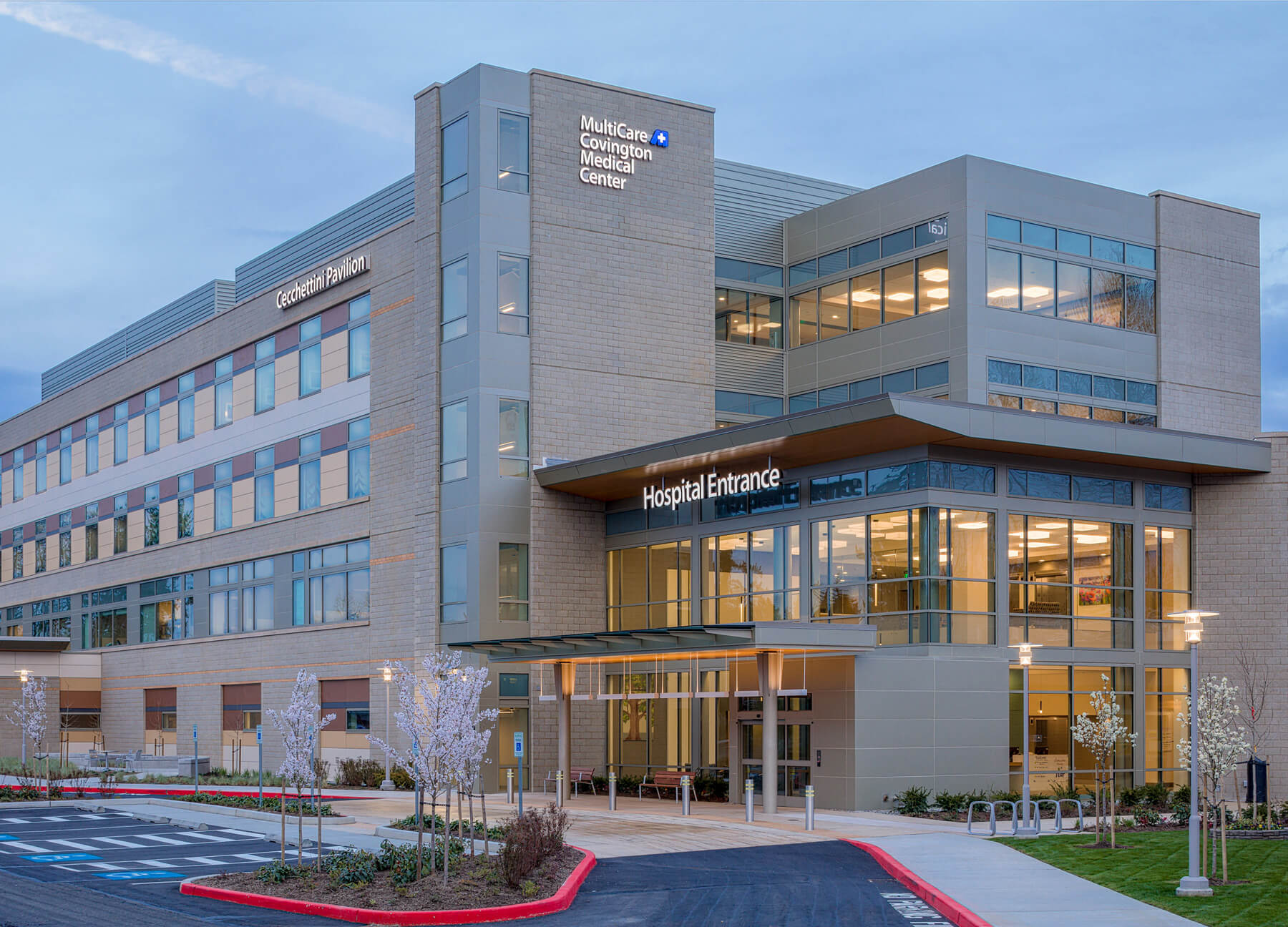
Higher Education Institution
A security technology assessment was conducted for a private higher education institution located in a major metropolitan area. Prior to the engagement, the institution was operating multiple independent security technology platforms that lacked integration, creating challenges related to system management, monitoring, operational efficiency, and long-term support. To address these concerns, SRMC was retained to perform a comprehensive security technology assessment. The objective of the assessment was to evaluate existing conditions, identify operational and technological gaps, and develop a strategic technology roadmap to guide future improvements and investments.
Our Approach
The SRMC team conducted an on-site visit and met with key stakeholders to better understand how security technologies are currently used and the challenges being experienced. We worked closely with on-site personnel to gain insight into both operational and technology related issues, as well as to identify what matters most to system users. This engagement took a holistic approach, incorporating perspectives from Security Operations, Facilities, and IT in order to develop a well-rounded understanding of the institution’s overall security posture.
Results
The result of the assessment was an actionable understanding of the organization’s security posture, along with a defined road map. In practical terms, it produced the following outcomes:
- Identification of gaps and redundancies across existing security technologies, operations, and processes, including systems that were underperforming, not integrated, or creating unnecessary complexity.
- A road map for technology addressing operational needs, ensuring that security tools support how staff actually work rather than forcing workarounds or manual intervention.
- Clarification of roles and responsibilities between Security, Facilities, and IT, helping reduce ambiguity in system ownership, maintenance, and response.
- Risk-based prioritization of improvements, distinguishing between critical issues that require immediate attention and longer-term enhancements that can be phased.
- A technology roadmap outlining recommended upgrades, integrations, and standards to guide future investments.
Ultimately, the assessment led to a subsequent engagement focused on selecting a qualified vendor to integrate the existing disparate technologies into a unified, single pane of glass platform that supports both operational and technical requirements. Following this, SRMC developed a phased campus wide design, prepared the RFP for Access Control, Video Surveillance, and Panic Alarm Systems, assisted with the security integrator selection, and provided construction administration services throughout implementation.
Conclusion
This case study demonstrates an excellent example of how an organization with multiple disconnected security technologies can significantly strengthen its security posture through a structured assessment and strategic roadmap.