Cultural Properties
Museum and Cultural Property Security Consultants

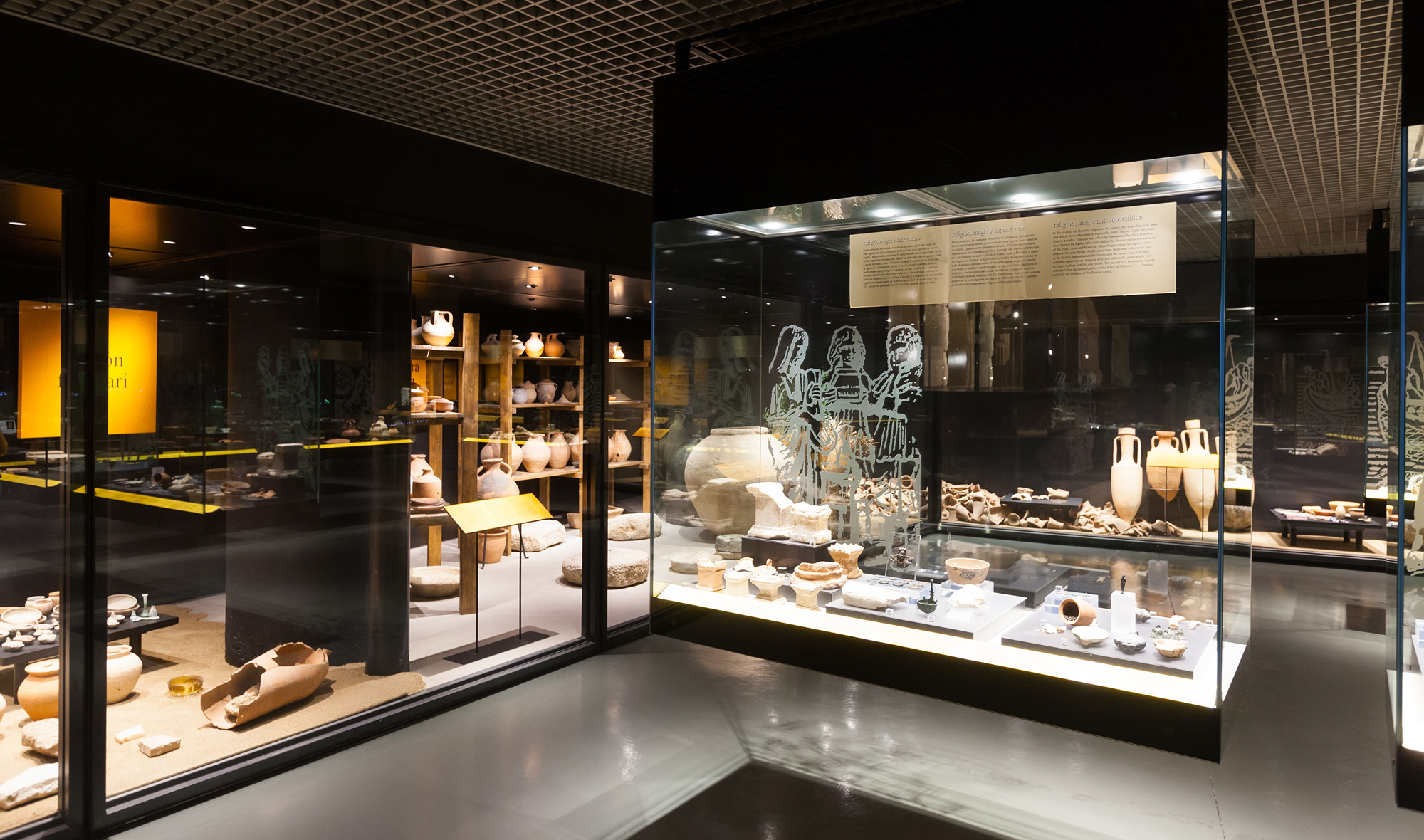
Museums are not the only places with irreplaceable collections in plain sight. Libraries, historical societies, corporations, colleges, and universities also hold paintings, fine art, historical artifacts, centuries-old furnishings, sports memorabilia, rare scholarly items, and research products that cannot be replaced. For over 35 years, SRMC has helped cultural institutions protect those collections, along with the people who care for them and the public who comes to see them, while preserving the open, welcoming environment the public expects. We do not sell products, install systems, or provide contract security guard services. Our only priority is helping you understand what puts your collections, visitors, and staff at risk and what should be done about it, in the right order.





Most cultural property engagements begin with one of these situations.
Renovations, expansions, and changes in how visitors access and move through a facility can create new security considerations. Leadership wants an independent evaluation of the security program to ensure it continues to support the institution as the environment changes.
Families, school groups, researchers, members, and community visitors all come through the doors. The institution needs a security program that protects people, collections, and facilities while preserving the welcoming and accessible environment central to its mission.
A library’s special collections, a university’s archives, a historical society’s holdings, or a corporate art collection can face many of the same risks as a museum or gallery, often without the same level of dedicated security infrastructure.
A library system, cultural organization, or institution with a main facility and multiple locations needs consistent security practices, staffing strategies, policies, and technology across the organization while accounting for the unique conditions at each site.
Facility improvements have added cameras, access control, alarms, and other security technologies, but operational practices have not kept pace. Monitoring, staffing, key control, response procedures, and system management need to work together with the technology already in place.
We assess the whole security program, examining how people, processes, and technology work together to protect people, collections, assets, and facilities. The areas below are commonly addressed in our cultural property engagements. The specific scope is defined with you before work begins.
What the institution must protect, the threats and vulnerabilities most relevant to it, and where existing security measures may leave gaps. We review community crime trends and relevant intelligence surrounding the facility, recognizing that risk is influenced by both the property itself and the environment in which it operates.
Visitor and contractor management from the point of entry through the facility, including the procedures used to manage school groups, tours, special events, and other periods of increased activity. Our recommendations are developed to strengthen security while preserving the welcoming and accessible environment expected of a public cultural institution.
We evaluate video surveillance, access control, intrusion detection, panic and duress alarms, and mass notification systems to determine how effectively they support the overall security program. This includes reviewing camera placement and coverage, monitoring and response practices, control room operations, and how well the various security systems work together.
Where protection services personnel are positioned, how they are deployed throughout the day, and whether staffing aligns with actual risks and activity levels. For some institutions, the more sustainable approach may rely less on a continuous uniformed presence and more on trained staff, clearly defined responsibilities, and targeted security support during higher-risk or peak periods.
Key and credential control, incident reporting, and the policies and procedures that guide daily security operations. We also evaluate training, documentation, accountability, and whether established practices provide staff with clear direction for managing routine security responsibilities and incidents.
Emergency plans, communication protocols, and response procedures, including how the institution prepares for disruptive situations and other security-related emergencies. We evaluate not only if plans exist, but whether staff understand their responsibilities and are prepared to act when an incident occurs.
A Crime Prevention Through Environmental Design (CPTED) evaluation of the property and surrounding environment, including lighting, landscaping, visibility, pedestrian and vehicle movement, exterior gathering areas, and other conditions that may influence safety, security, and opportunities for unwanted activity.
We evaluate conditions during operating hours and after the institution closes because the security environment can change significantly once visitors leave, entrances are secured, staffing levels change, and fewer employees are present to observe and respond to activity.
After the 2025 theft of crown jewels from the Louvre, SRMC’s Paul S. Denton was interviewed about what the robbery means for institutions that protect irreplaceable collections. He also co-authored “Theft: A Real Threat to Religious Heritage” in The Journal of Art Crime.
SRMC’s security services for valuable collections include:
SRMC does not sell or install security technology, provide contract security guard services, or accept commissions, finder’s fees, or other financial incentives from security vendors or providers. Our recommendations are based solely on what is right for your institution, your collection, your visitors, and your risks.

More than 30 years of physical security assessment, planning, design, and implementation experience. Has managed the installation of large-scale, tightly integrated security systems, including access control, video surveillance, and intrusion detection, and designs and specifies technology suited to each client’s needs. Core expertise includes command center design, visitor management, video management systems, and threat and vulnerability assessment.
View Bio
More than 24 years in the security industry, including internal physical security and technology management for private businesses. Expertise runs from guard service management and contract security services to system design, integration, and installation. Florida Crime Prevention Through Environmental Design Practitioner, with core expertise in risk management, visitor management, and threat and vulnerability assessment and risk analysis.
View Bio
More than 40 years of public safety and emergency management experience, including Director of Public Safety Administration and Assistant Chief of Police at The Ohio State University and Director of Campus Safety and Security for the Ohio Board of Regents. Crime Prevention Through Environmental Design Practitioner, with core expertise in emergency management, special event and venue security planning, staffing, and master planning.
View BioOur goal is to strengthen security without compromising the welcoming and accessible environment that is central to a cultural institution’s mission. Recommendations are developed around how the institution actually operates, with careful consideration given to visitors, staff, collections, and the overall experience.
Yes. Cultural property extends beyond museums. SRMC works with organizations responsible for protecting special collections, archives, artwork, historical materials, and other valuable or irreplaceable assets. The security program is evaluated based on the collection, the environment in which it is housed, how the space is used, and the risks specific to the organization.
Yes. SRMC can evaluate multiple facilities as part of a single engagement. This approach allows us to identify differences among locations while also determining where consistent security practices, policies, staffing strategies, and technology standards can strengthen the organization as a whole.
The on-site assessment is tailored to the institution and may include observations of the facility and surrounding property, interviews with leadership and key stakeholders, and evaluation of access control, visitor management, collections protection, security technology, staffing, key control, emergency preparedness, policies, procedures, and training.
No. SRMC is an independent physical security consulting firm. We do not sell or install security technology, provide contract security guard services, or accept commissions, referral fees, or other financial incentives from security vendors or providers. Our recommendations are based solely on what is right for your institution, your collection, your visitors, and your risks.
You receive a confidential, actionable report that identifies security vulnerabilities and provides clear, prioritized recommendations for improvement as well as order-of-magnitude costs as appropriate. The recommendations are designed to help leadership make informed decisions about security operations, technology, staffing, policies, training, and future investments while providing a practical roadmap for strengthening the overall security program.
Tell us about your institution and what concerns you. Request a discovery call and we will talk through whether an assessment is the right next step and what it should cover.