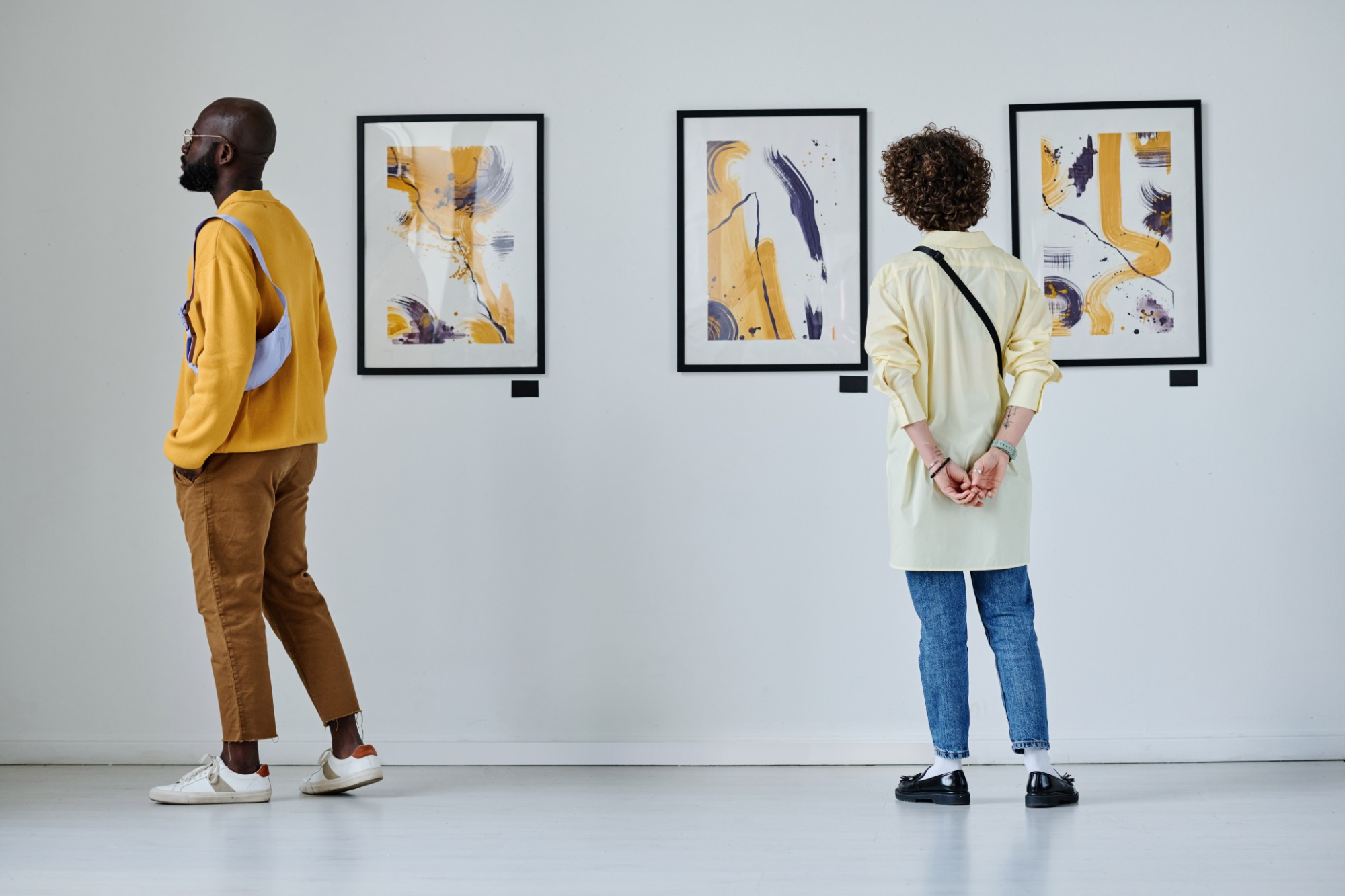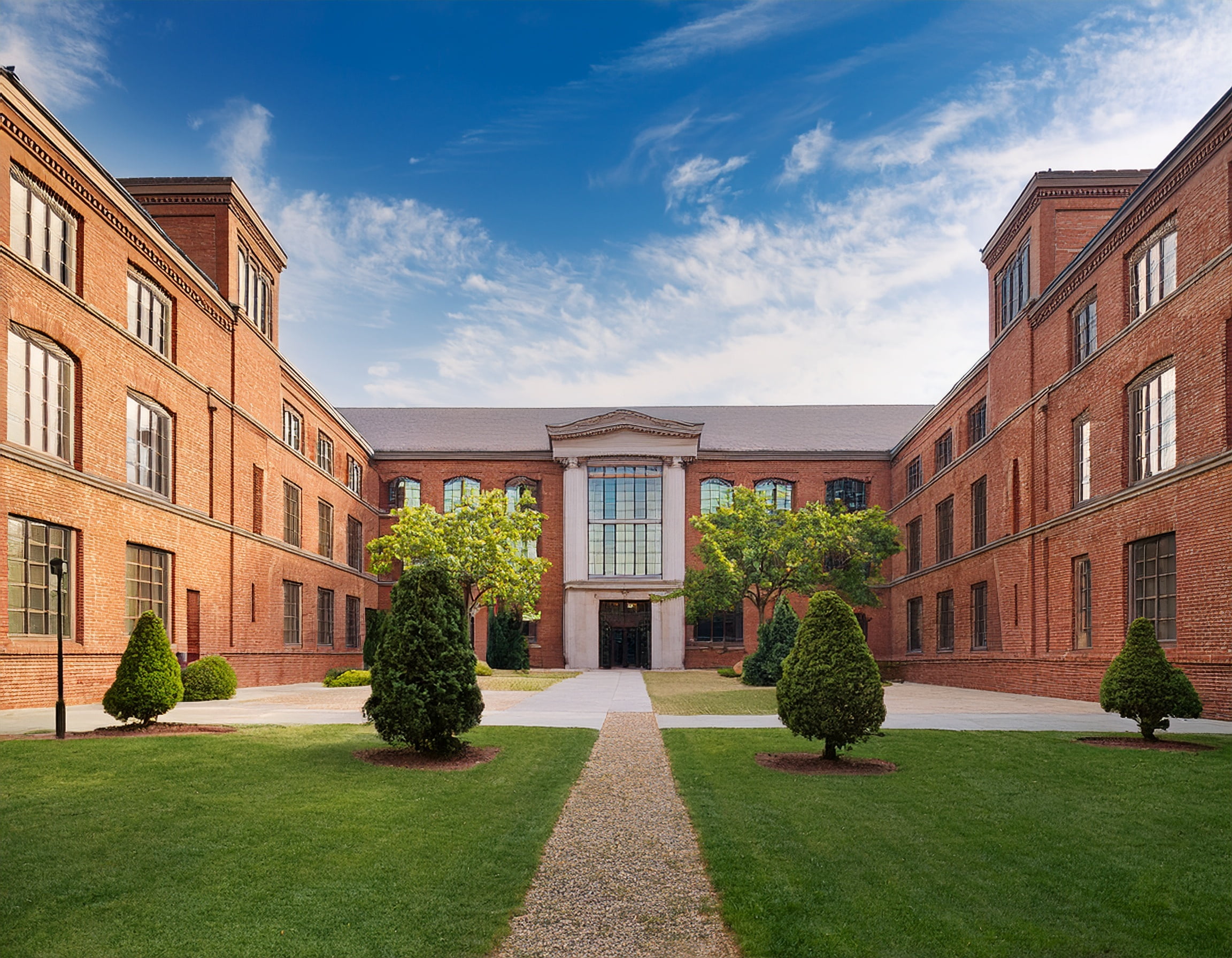
A university-based art museum engaged SRMC to conduct a comprehensive evaluation of its physical security program. Located within a larger academic building on an open campus, the museum balances public access and its educational mission with the responsibility of protecting valuable art collections, visitors, staff, volunteers, and students. The shared use environment, multiple access points, reliance on student workers, and evolving security needs led museum leadership to seek an independent assessment of its existing security measures and identify practical priorities for improvement.
Our Approach
SRMC used a systems-based approach to evaluate how people, processes, and technology worked together across the museum. The engagement included an on-site physical security survey of the facility and surrounding areas; interviews with museum leadership, staff, student representatives, university access control personnel, and law enforcement; and a review of security-related policies, emergency planning, incident information, training, staffing, and local crime data.
The assessment examined perimeter and access controls, visitor and vendor management, collections storage, physical key management, video surveillance, intrusion detection, duress alarms, gallery staffing and assignments, emergency response, and security awareness training. SRMC also conducted a Crime Prevention Through Environmental Design (CPTED) review of the surrounding grounds and landscaping and developed a security risk assessment matrix to help identify and prioritize risks.
Results
The assessment identified opportunities to strengthen the museum’s security program across technology, access management, key control, collections protection, training, and emergency preparedness. SRMC recommended replacing an aging intrusion alarm system, modernizing access control technology, developing a more comprehensive video surveillance strategy, strengthening controls around collection storage, and establishing a more accountable approach to physical key management.
The review also identified opportunities to strengthen the human and procedural side of the security program. Recommendations included de-escalation training for public-facing staff and students, recurring emergency preparedness training for staff, students, and volunteers, clearer communication of emergency procedures to school group chaperones, and development of a formal video retention policy. The assessment also found that additional security personnel were not required under existing conditions, while recommending that staffing needs be reevaluated as the museum expands and the nature of its exhibits changes.
Conclusion
SRMC provided the museum with prioritized, actionable recommendations designed to create a more integrated and sustainable security program while supporting its public and educational mission. The resulting roadmap addressed immediate vulnerabilities while establishing longer-term strategies for security technology, collections protection, access and key management, policies, training, and emergency preparedness.
By approaching security as an interconnected program rather than a collection of individual measures, SRMC provided leadership with a framework for making informed security investments, prioritizing resources, and strengthening protection of the museum’s people and cultural assets while maintaining the welcoming environment expected of a public cultural institution.