Author: Jim Townzen, PSP, CPP, CSC
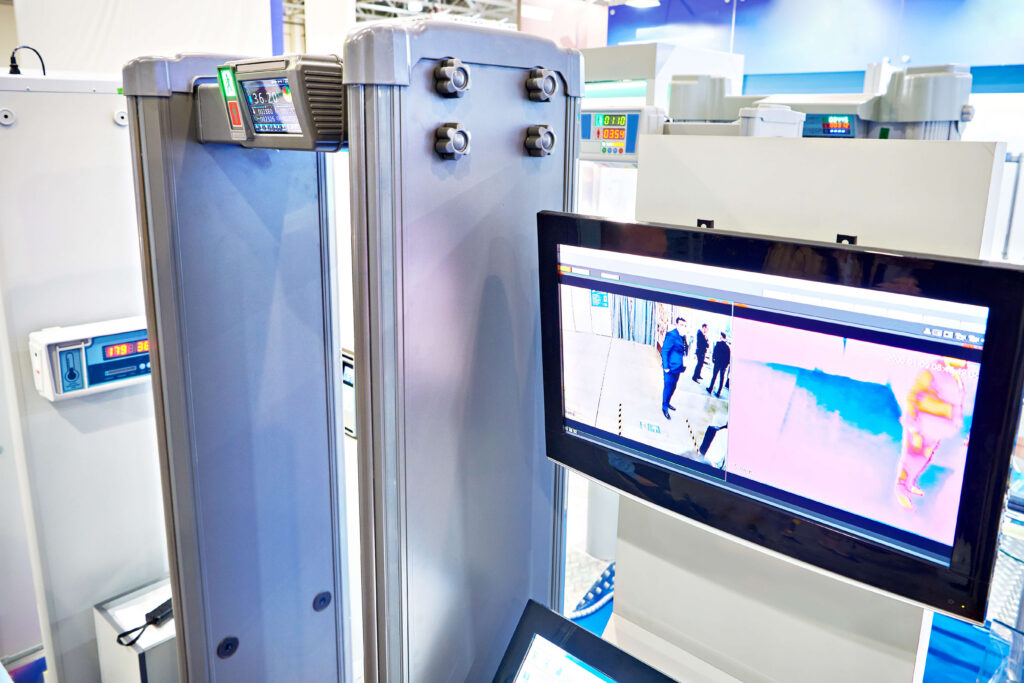
Healthcare organizations are under growing pressure to improve safety while keeping their environments open and welcoming for patients. While many facilities have policies for handling threats, far fewer have put proactive, standardized weapons screening programs in place across their campuses.
This gap matters. When organizations mainly use reactive procedures, they only deal with risks after they are already inside. Many leading institutions are now moving toward prevention, seeing that spotting and stopping threats at the entrance is key to strong security today.
Moving Beyond the Emergency Department
In many healthcare systems, weapons screening starts and finishes at the Emergency Department. This makes sense because those areas have higher risks, but it can also lead to inconsistency. If other entry points are not screened, they can become unintended ways for risks to get in.
A better approach is to look at how people really move through the building, decide which entrances are needed, and figure out where screening will make the most difference. The goal is not to screen every entrance, but to screen in the smartest way possible.
Choosing the Right Technology for Your Environment
Choosing the right technology is often seen as the main focus of a weapons screening program, but it is just one part of a larger process. Options today include traditional metal detectors as well as newer AI powered systems that can screen people faster.
Every option has its pros and cons. Some systems are more affordable but can slow down entry, while others make the process smoother but cost more. No matter which technology is chosen, all systems have limits. False alarms and missed threats can still happen, and people trying to bypass security can make things even harder.
The goal is not to find a perfect system, but to choose one that fits your organization’s risks, resources, and needs.
Technology Alone Is not the Solution
Even the best technology will not work well without a solid operational framework. Screening programs are only effective when staff know how to read system outputs, handle secondary screening, and respond to possible threats.
Having enough staff is crucial, and most screening locations need several people to keep things effective and safe. When organizations ignore this, they often see that their investment in technology does not lead to real security improvements.
Designing for Flow, Not Friction
It is also important to consider how screening affects the flow of people coming into the facility. If screening points are not well planned, they can cause bottlenecks, frustrate visitors, and disrupt daily routines. But when screening is carefully built into the usual movement of people, it can work smoothly with little disruption.
Planning for the busiest times, instead of just average days, helps keep the system working well even when there are a lot of people. The aim is not to remove all slowdowns, but to handle them in a way that keeps everyone safe and things running smoothly.
Balancing Safety and the Human Experience
Healthcare settings need a balanced approach to weapons screening since patients and visitors are often stressed when they arrive. Security steps can shape how people feel, sometimes causing worry but also offering reassurance when done well.
How screening is carried out makes all the difference. It should fit smoothly into the entry process, with clear design, good flow, and professional staff. When security is consistent and thoughtful, it supports everyone instead of getting in the way.
The main goal is to keep the environment welcoming while making sure security is visible and trustworthy. This helps improve safety without taking away from patient care.
A Phased, Strategic Approach
A phased approach gives organizations a clear way to start weapons screening without putting too much strain on operations or resources. Focusing first on high-risk areas and limiting entry points helps teams set up strong procedures, check that the technology works, and make sure staff are well trained. This first step creates a controlled setting to see what works and where changes might be needed.
As the program grows, organizations can use real performance data, feedback from users, and hands-on experience to guide expansion instead of relying on guesses. This approach lets teams improve workflows, staffing, and system setups before rolling out on a larger scale. It also helps keep the right balance between strong security and a good user experience.
This approach helps lower the risk of big mistakes and spreads out costs over time. More importantly, it treats weapons screening as an ongoing effort that needs to adjust as things change. By building step by step, organizations end up with a solution that is stronger, more effective, and easier to maintain.
What Leading Organizations Are Doing
Weapons screening in healthcare is moving beyond just high risk areas and is now being used more widely, thanks to new technology. These updated solutions help expand screening without causing major disruptions to daily operations.
However, technology alone does not determine a program’s success. The best programs bring together strategy, operations, and execution. Clear goals, solid procedures, and well trained staff all need to work together.
Organizations are moving away from isolated efforts and choosing more coordinated, scalable approaches. These new methods improve safety and fit better with the day to day needs of healthcare settings.
The Bottom Line
Weapons screening is just one part of a larger, risk-based security program and should not be seen as a solution on its own. By itself, it cannot handle all the threats that healthcare organizations might face. The best programs start with clear goals: knowing which risks need attention, what results are expected, and how to measure success. After that, technology is chosen and used based on how well it fits real world needs, not just its features. This works best when staff are well trained to use the systems, understand the results, and know how to respond. It is also important to regularly review how things are working, using data and feedback to improve processes, boost efficiency, and fix any problems that come up.
Organizations also need to understand that every screening method has its limits. No system can catch every threat or cover every situation, especially in busy healthcare settings where being open and accessible is important. Organizations cannot stop every risk, but they can reduce risks in a meaningful way. This means using a mix of technology, policies, training, and design to create several chances to spot and handle threats. By staying flexible and making sure plans match real-world needs, organizations can build security that is both strong and practical.
Where to Start
If your organization is thinking about weapons screening, start by getting clear on your strategy before looking at any technology. Take time to review your risk profile, see how people move through your buildings, and decide what you want to achieve. Are you aiming for deterrence, detection at certain entrances, or coverage across your whole organization? How will screening fit with your current operations, staffing, and patient flow? If you skip these questions, technology choices can end up being reactive and may not fit your actual needs.
With that groundwork set, your technology and operational choices will be much stronger. You can pick systems that match your goals instead of changing your operations to fit the technology. You will also be able to set up the right procedures, staffing, and training to keep things running smoothly. This way, your program will work better now and can grow or change as your risks and needs shift over time.