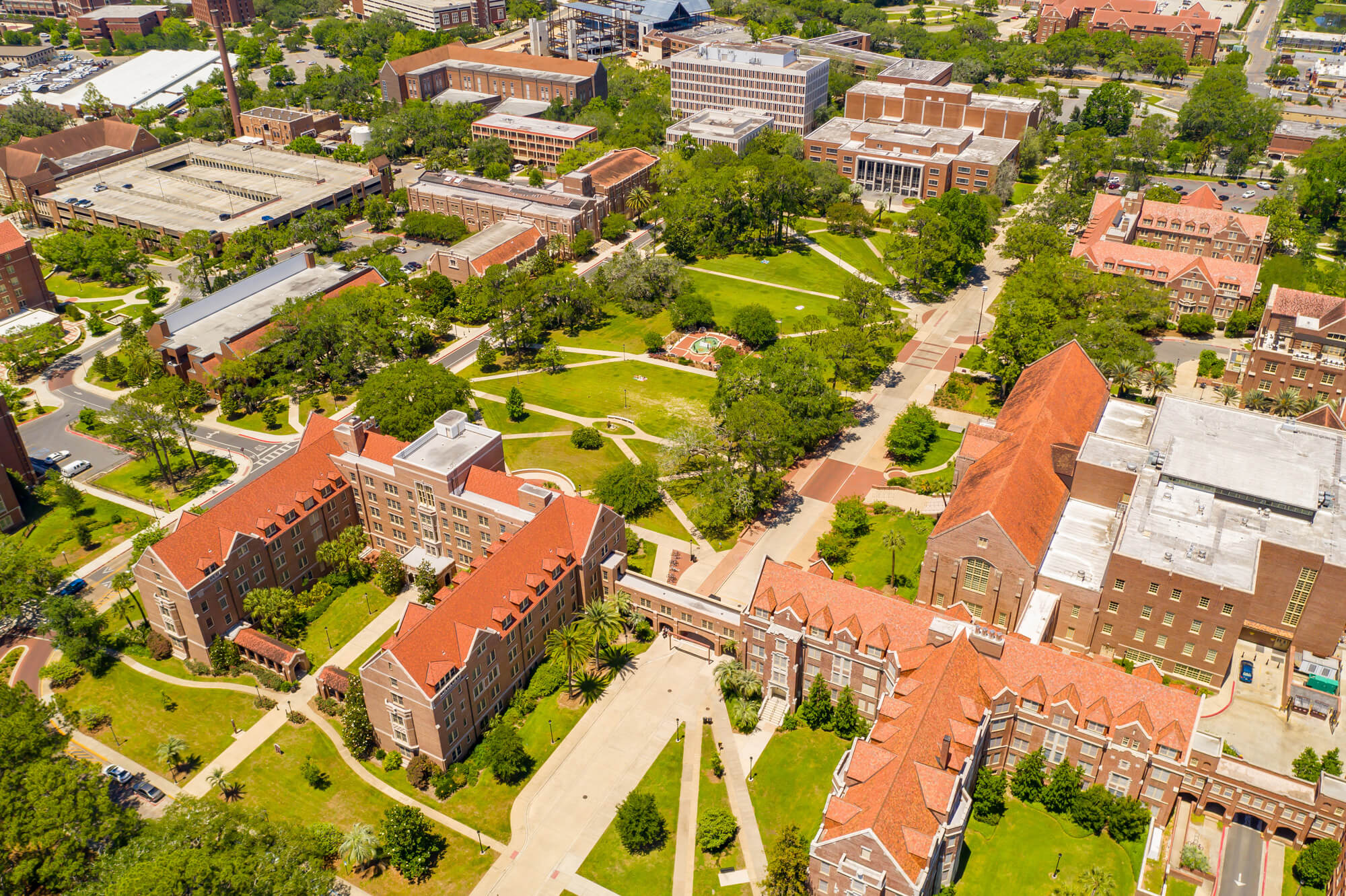
Southern Connecticut State University (SCSU) is a public university located in New Haven, Connecticut, founded in 1893. Situated on roughly a 170 acre campus, the institution serves a diverse student body of approximately 10,300 students across undergraduate and graduate programs. SCSU offers a broad range of academic disciplines and is part of the Connecticut State Colleges & Universities system, with strong emphasis on liberal arts and professional education.
Southern Connecticut State University issued a nationwide request for qualifications to conduct a campuswide vulnerability assessment and develop a comprehensive Security Master Plan (SMP). Following a competitive selection process that included pre-qualification screening, team interviews, client/project reviews, and verification of credentials and experience, SCSU engaged SRMC to lead this initiative.
Our Approach
SRMC’s methodology was rooted in a multi-dimensional, holistic assessment framework to identify organizational assets and determine the threats, risks, and vulnerabilities that could adversely impact the University. The assessment considered not only current conditions but also how emerging threats could affect campus safety over time. The objective was to craft a Security Master Plan that would serve as the foundation for technological, operational, and organizational improvements across the institution.
The approach integrated qualitative and quantitative analyses of existing security measures, emergency response capabilities, physical infrastructure, policy frameworks, and organizational procedures. SRMC engaged campus stakeholders through interviews and workshops, reviewed emergency planning and preparedness documentation, and evaluated the effectiveness of existing security technologies. Best practices and industry standards relevant to higher education environments guided this work.
A core outcome of SRMC’s engagement was the development of an actionable Security Master Plan, intended to inform future enhancements to the University’s Public Safety Department, technology investments, and organizational readiness. Rather than serving as a step-by-step implementation guide or detailed design document, the SMP established a strategic vision and prioritized recommendations based on observed conditions, known risks, and anticipated needs anchored in recognized security best practices.
Results
The comprehensive vulnerability assessment and resultant Security Master Plan provided Southern Connecticut State University with a strategic framework to advance its campus safety and security posture. The SMP outlined a broad set of recommendations aligned to address identified vulnerabilities while preserving the University’s educational mission and campus climate. Key conceptual constructs addressed within the master plan included enhancements to organizational capacity, technology integration, physical security measures, emergency operations planning, and information-sharing protocols.
SRMC’s SMP served as both a reference and justification for institutional decision-making related to resource allocation, procedural enhancements, and future capital investments tied to improving security outcomes. The plan’s conceptual nature allowed University leadership to visualize future states, assess trade-offs between operational approaches, and initiate planning processes for implementation phases that align with institutional priorities, available funding, and risk tolerance.
Conclusion
Through SRMC’s engagement, Southern Connecticut State University gained a thorough, independent evaluation of its existing security posture and a strategic blueprint to guide incremental and long-term improvements. The Security Master Plan established a forward looking framework that emphasized adaptability, sustainability, and alignment with higher education security best practices. With the SMP in place, SCSU is better positioned to strengthen its public safety capabilities, inform capital and operational planning, and enhance coordination across campus departments and with external partners. This foundational work supports the University’s commitment to fostering a safe and resilient environment for students, faculty, staff, and visitors.