Author: Jim Townzen, PSP, CPP, CSC
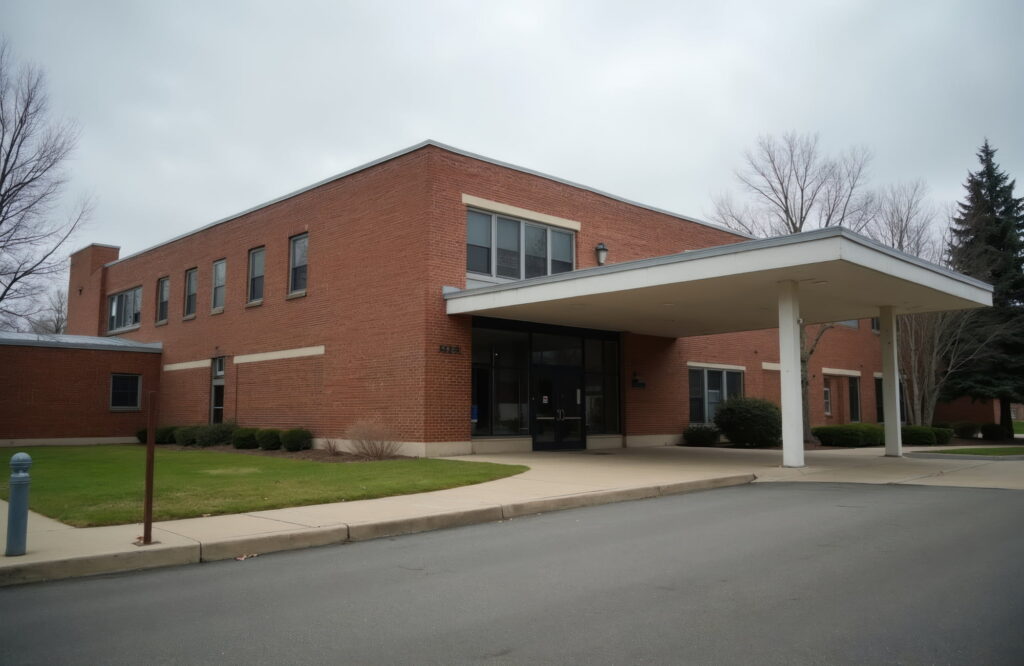
If you are planning security improvements for a school, office, or public building, the conversation around ballistic protection often starts with the same question: “What UL rating do we need?” It is a fair question, but it should not be the first one. A better place to begin is by asking: What are we trying to accomplish?
A UL rating provides valuable information about how a material performed during a specific ballistic test. What it does not tell you is how the entire opening will perform during an actual attack. Focusing solely on the ballistic rating can lead organizations to invest significant resources in glass designed to stop a particular threat while overlooking equally important components such as the frame, door, hardware, and the opening’s ability to withstand forced entry.
Ultimately, the goal of most security improvements is not simply to stop a bullet. It is to delay an attacker, protect occupants, support emergency response, and create time for people to reach safety. When viewed through that lens, the conversation shifts from selecting a UL rating to determining how the entire opening can help achieve the desired security outcome.
What Does a UL Rating Really Tell Us?
UL 752 is one of the primary standards used when discussing bullet-resistant glass, doors, walls, and other building components. The testing is legitimate and important, but the rating needs to be understood in the context of how the product was tested.
UL 752 Level 7 is a good example. Level 7 is often described as protection against a .223 or 5.56 mm rifle round. On the surface, it is easy to interpret this as meaning that Level 7 is simply the level required when the concern is a .223 or 5.56 mm weapon but there is more to the test. Level 7 testing involves five 55-grain 5.56 mm rounds fired at prescribed velocities and impact locations. Those rounds are concentrated within a relatively small area. The material must withstand repeated impacts in an area already damaged by previous rounds. That is a demanding test, and passing it demonstrates a significant level of ballistic performance.
But you also needs to understand what it does not tell you. It does not tell you how the entire opening performs after the attack. It does not necessarily tell you whether the frame remains secure, whether the hardware stays in place, or how long it takes someone to physically breach the opening after the glazing has been damaged. Those are different questions.
What Are You Actually Trying to Accomplish?
When looking at ballistic protection for a school or other occupied facility, the objective should not be to simply stop a particular caliber. The larger objective is to prevent or delay an attacker from entering the building and provide occupants time to react. This distinction matters.
If an attacker fires into a protected entrance, you want to know what happens next. For example, does the opening remain secure, does the glass stay within the frame, does the door remain locked, does the hardware continue to hold, if the attacker begins striking, kicking, prying, or pushing against the damaged opening, how long does it continue to resist entry, and most importantly, does the protection provide enough time for students, staff, or other occupants to move away from the threat, secure themselves, and begin implementing the facility’s emergency procedures?
Those questions move the discussion beyond ballistic resistance and into delay. In many situations, the most important protection a building provides is time, achieved by delaying an attacker’s progress.
This Is Where Forced-Entry Testing Becomes Important
Rather than focusing only on ballistic resistance levels, ASTM F3561 examines how security glazing systems perform as part of a broader protective strategy. The full title is ASTM F3561, Standard Test Method for Forced-Entry-Resistance of Fenestration Systems After Simulated Active Shooter Attack. Rather than focusing only on whether glazing stops a particular projectile, ASTM F3561 evaluates forced-entry resistance following a simulated active shooter attack. The test looks at the performance of the assembly after gunfire and during a subsequent physical attack. This distinction is important because the objective is not simply to determine whether a bullet penetrates the glazing. The objective is to determine whether the damaged assembly continues functioning as a barrier. This is much closer to the question SRMC tries to answer when evaluating an entrance. After the shooting starts, how long does the opening keep the attacker outside?
Three Standards with Different Purposes
There are several standards involved in these discussions, and you need to understand what each one tells you. UL 752 evaluates resistance to defined ballistic threats, ASTM F1233 evaluates security glazing against specified ballistic and physical attack methods, and ASTM F3561 evaluates forced-entry resistance following a simulated active-shooter attack. These standards are not interchangeable.
A product performing well under one standard does not automatically tell you how it performs under another. This is why you should be cautious about selecting protection based solely on a UL number.
You need to look at the opening as part of a system. Glass is only one component. The frame, door, hardware, attachment methods, surrounding wall construction, and installation all contribute to how long the opening stays secure. There is little benefit in installing high-level ballistic glazing if the surrounding assembly provides an easier path into the building.
Why Not Specify the Highest UL Level Everywhere?
This naturally leads to an important question: If higher ballistic ratings provide greater protection, why not specify the highest level available and avoid the discussion entirely? The answer lies in practicality. As ballistic protection levels increase, glazing typically becomes thicker, heavier, and more expensive. That additional weight affects not only the glass itself but also the framing, doors, hardware, supporting structure, and installation requirements. The result can be a significant increase in overall project cost and complexity.
This does not mean higher levels of ballistic protection are unnecessary. Rather, it means they should be strategically applied where the threat, risk, and consequences justify the investment. Effective security design is not about maximizing protection everywhere. It is about providing the right level of protection in the right locations to achieve the desired security outcome.
A primary entrance with significant exposure or a higher identified threat might warrant greater ballistic protection, enhanced forced-entry resistance, or both. Another opening with limited exposure and multiple existing security layers might warrant a different level of protection. The decision should come from the risk associated with the specific opening, not from selecting the highest number available.
Ballistic Protection Is One Layer
SRMC supports ballistic protection when the identified threat justifies it, but we do not view ballistic resistance as a standalone solution. Effective physical security is achieved through a layered approach in which multiple protective measures work together to deter, delay, detect, communicate, and respond to threats. The objective is not to rely on a single product or technology, but to create a coordinated security strategy where each layer reinforces the others and contributes to the overall protection of people and assets.
Within that layered strategy, ballistic-resistant assemblies are designed to mitigate the effects of gunfire, while forced-entry-resistant doors, frames, glazing, and hardware help maintain the integrity of an opening if an attack continues after ballistic protection has been compromised. Access control systems regulate and restrict normal entry to authorized individuals, and perimeter security measures, including fencing, gates, vehicle barriers, and site design features, influence how people and vehicles approach the facility. Video surveillance provides situational awareness and supports assessment and investigation, while intrusion detection systems generate alerts when unauthorized access attempts occur. Emergency communication systems ensure critical information is delivered quickly to occupants and responders, and lockdown procedures provide a method to secure affected areas when a threat is identified. Finally, staff training and well-practiced emergency response procedures enable occupants to take appropriate action during the time these physical security measures create. Together, these layers provide a more effective and resilient security posture than any single protective measure could achieve on its own.
A Better Starting Point
Instead of beginning with “What UL level do you need?” you would start with a different set of questions. For example, what threats are you designing against, which parts of the building have the greatest exposure, what happens to the opening after it is fired upon, does the entire assembly remain secure, including the glazing, frame, door, and hardware, how long does the damaged opening resist forced entry, what do you expect occupants to accomplish during that delay, how does the protection at this opening work with access control, surveillance, barriers, and emergency procedures, and does increasing the ballistic rating materially improve the security of this particular opening? Once you answer those questions, selecting the appropriate ballistic and forced-entry protection becomes much easier to defend.
UL ratings matter. UL ratings give architects, owners, consultants, and manufacturers a common and tested method for describing ballistic performance. You simply need to remember what the rating tells you, and what it does not. The objective is not to design a piece of glass that survives a laboratory test. The objective is to design an opening, and ultimately a building, that gives the people inside more time and better options when something goes wrong.
Conclusion
The conversation about ballistic protection should not begin and end with a UL rating. While UL 752 provides important information about how a material performs against a defined ballistic threat in a controlled test environment, it does not answer the broader question of how an entire opening will perform during a real-world attack.
A more effective approach starts with understanding the threat, the risks being addressed, and the desired security outcome. Once those factors are defined, the project team can determine the appropriate combination of protective measures. In some situations, a higher level of ballistic resistance may be justified. In others, greater benefit may come from enhanced forced-entry resistance, stronger access control measures, improved perimeter security, or reinforcing the surrounding wall construction and door assembly.
Ultimately, the objective is not to design a building that performs well in a laboratory test. The objective is to protect the people inside. Rather than asking only, “Will this glass stop a bullet?” organizations should ask, “Will this opening, together with the surrounding security measures, delay an attacker long enough for occupants to take protective action and for help to arrive?”
That is the discussion that should drive security design decisions. The appropriate UL rating is an important consideration, but it should be selected only after the overall security objectives, threat environment, and required level of protection have been clearly defined.