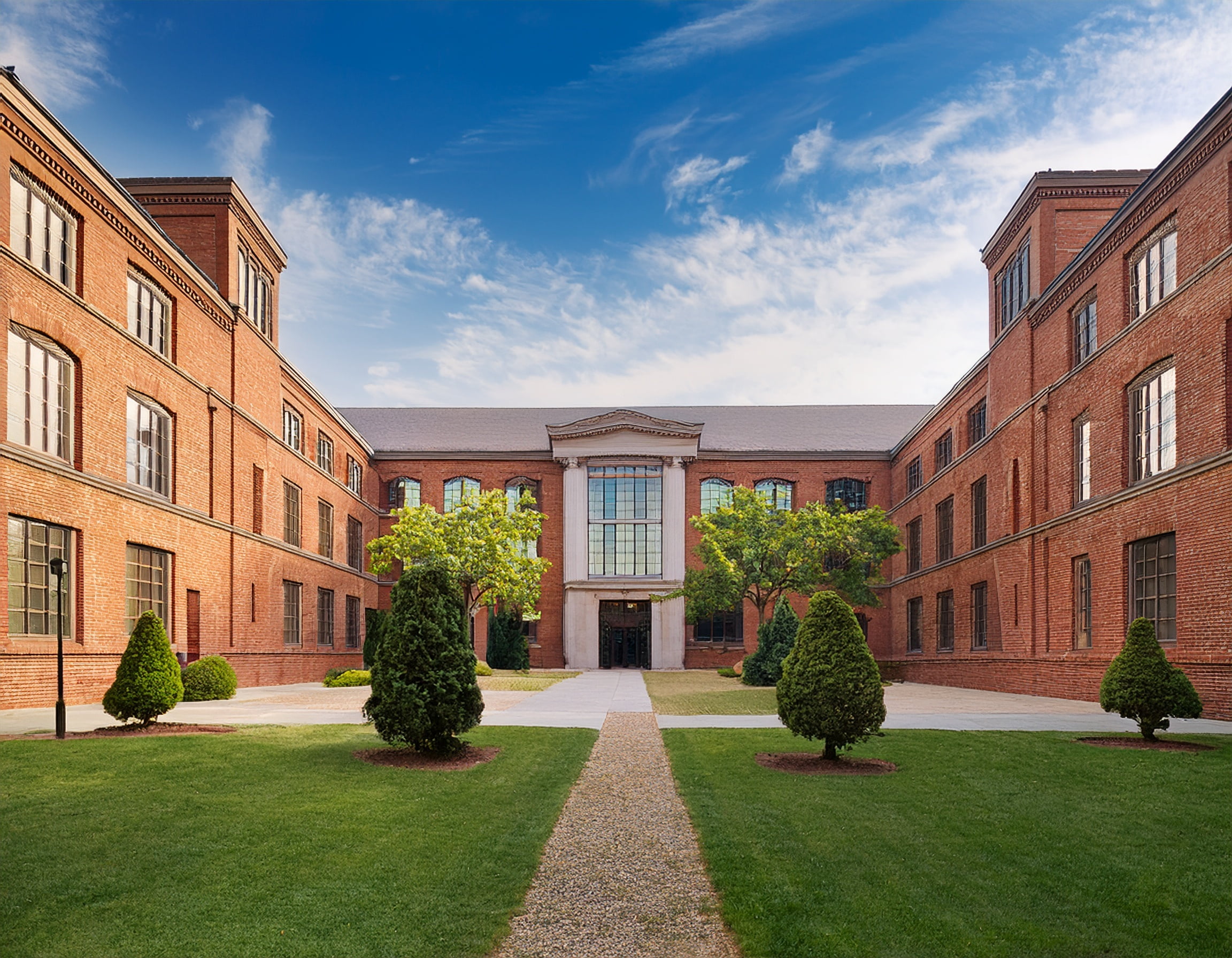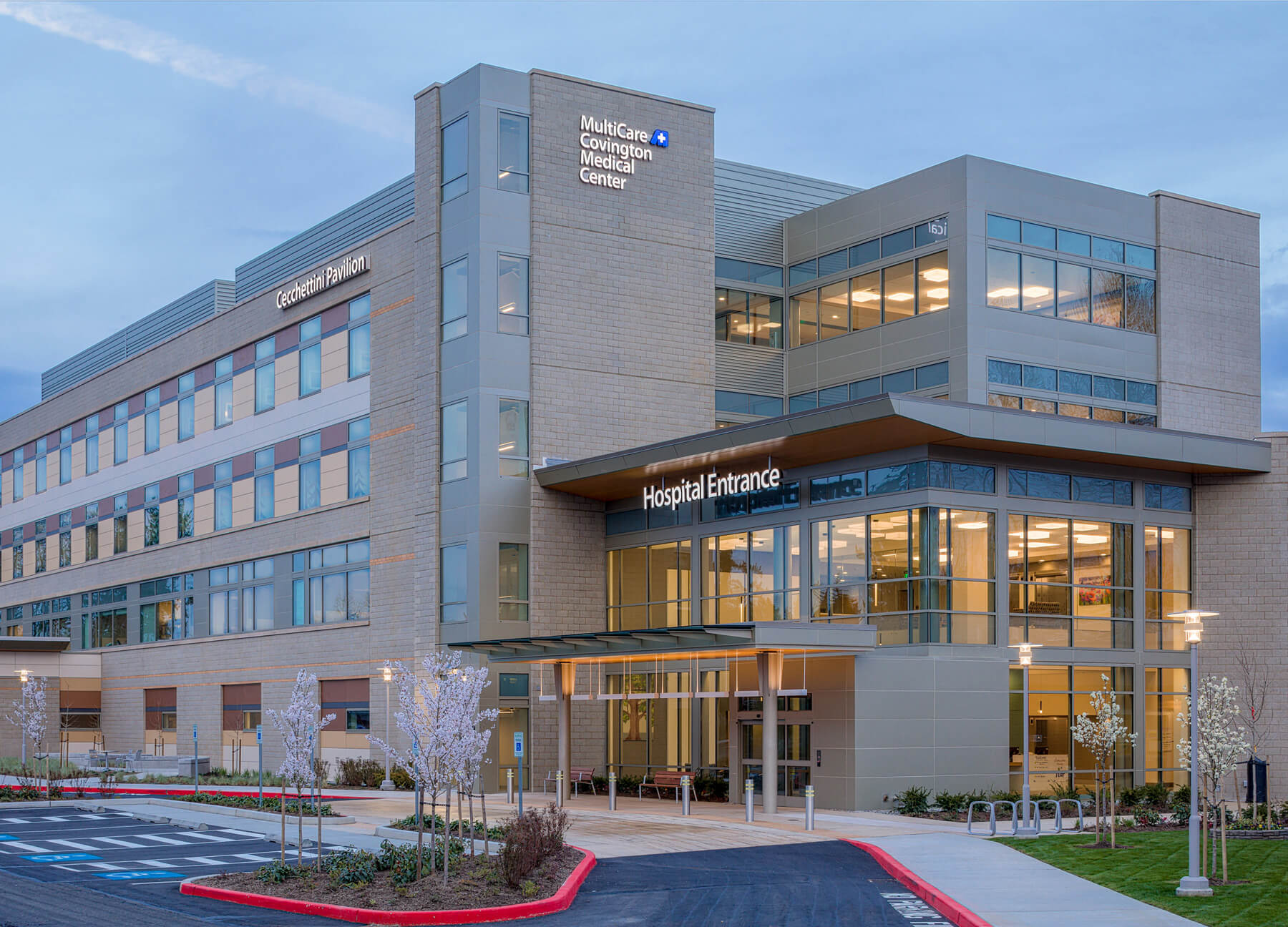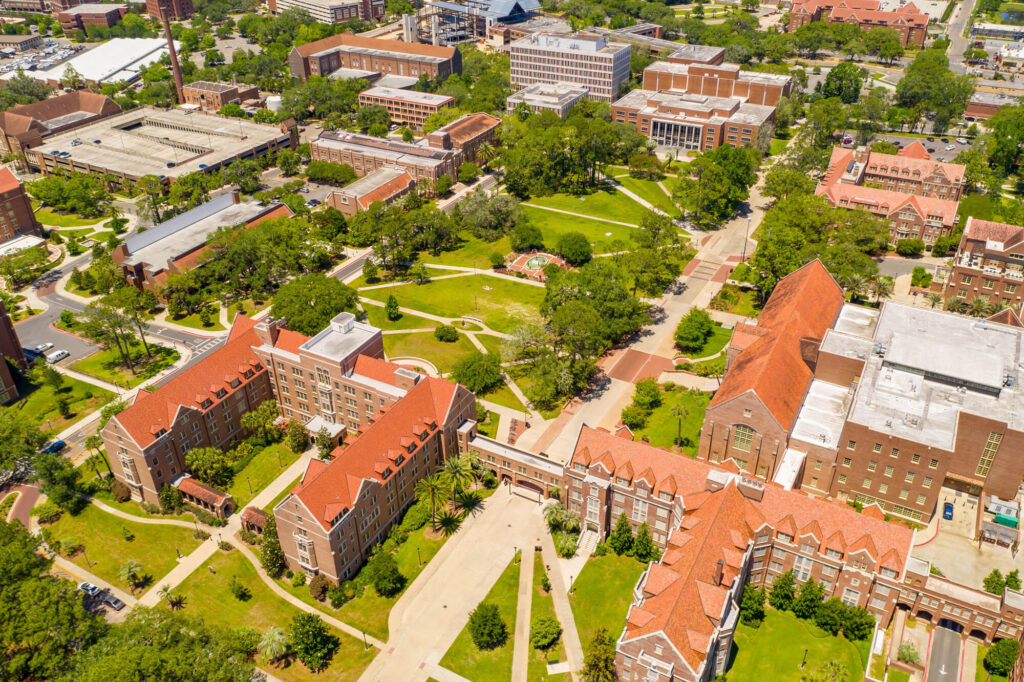
A large, complex university with multiple campuses engaged SRMC to develop a comprehensive and executable Centralized Security Basis of Design (BoD) to guide the future of its physical and technological security program. The institution operates across several distinct campus environments, including an urban core campus, residential and academic satellite campuses, a major medical and clinical campus, and additional regional locations. With varied risk profiles, infrastructure conditions, and operational needs, the university sought a unified security framework that would establish consistency, improve integration, and support long-term scalability across the entire system.
Our Approach
SRMC approached the engagement with a focus on delivering a structured, standards-based, and highly actionable security roadmap aligned with industry guidelines and applicable regulatory requirements. The objective was to move beyond high-level concepts and provide a practical plan that could be executed incrementally while accommodating differing levels of financial investment. SRMC worked to establish a centralized security program that addressed foundational infrastructure, technology and operations, system integration, and long-term sustainability, while also identifying and remediating existing physical security gaps and optimizing policies, monitoring, and operational practices.
The work was organized into four integrated phases. The first phase focused on strengthening foundational security infrastructure, including upgrades to emergency blue light systems, development of building and construction security standards, and implementation of improved security lighting. The second phase addressed technology and operations, including the design or enhancement of a Security Operations Center, definition of server and system architecture requirements, and establishment of licensing and core security technology solutions. The third phase emphasized system integration and standardization, incorporating interactive camera location mapping and the development of parking garage security standards. The fourth phase concentrated on long-term sustainability and governance, including obsolescence and replacement planning, development of a centralized security policies library, integration of advanced technologies such as license plate recognition, evaluation of perimeter protection elements, and correction of identified physical security deficiencies.
Throughout the project, SRMC collaborated closely with a broad range of campus stakeholders, including physical security systems teams, campus police, planning and construction, transportation and parking, information technology, and campus services. Regular working sessions, progress updates, and feedback loops ensured alignment between strategic objectives and operational realities, with stakeholder input incorporated directly into the final deliverables.
Results
The engagement delivered phase specific, executable security plans that include technical specifications, implementation strategies, and associated cost estimates. SRMC provided a clear set of short-term (one-year), mid-term (three-year), and long-term (five-year) strategies that enable leadership to prioritize investments, manage risk, and plan for sustainable growth. Executive level summary reports were developed for administrative and public facing use, supported by detailed internal documentation designed to guide day-to-day implementation and operational decision making. The resulting framework establishes consistent standards, integrates emerging technologies, and creates a defensible roadmap for enhancing safety across all campuses.
Conclusion
Through this engagement, SRMC helped the university transition to a centralized, standardized, and future ready security program that strengthens campus safety while supporting institutional growth and operational efficiency. By aligning infrastructure, technology, policies, and operations within a scalable framework, the university is positioned to reduce risk, improve coordination, and make informed, phased investments in security. The Centralized Security Basis of Design provides a durable foundation for long-term sustainability, ensuring that security systems and practices evolve in step with the institution’s mission and campus environments.