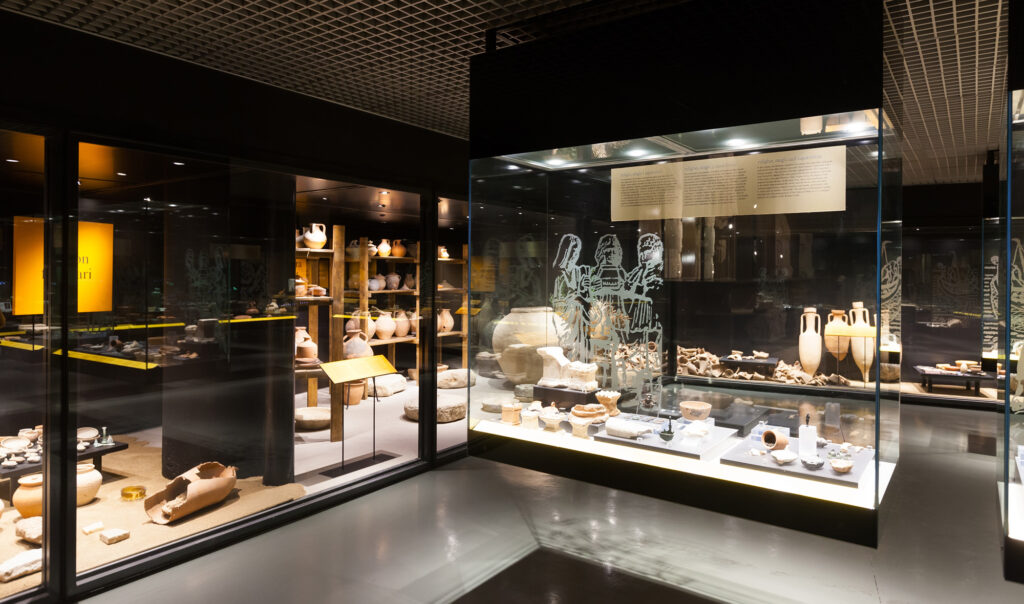
A prominent cultural and educational institution located within a dense urban district engaged SRMC to conduct a comprehensive physical security assessment of its facilities and operations. As a highly visited public destination, the institution serves families, school groups, researchers, and community members while safeguarding irreplaceable collections, staff, and physical assets. Ongoing capital improvements, evolving visitor access models, and changing community conditions led leadership to seek an independent evaluation of its security program to ensure alignment with industry best practices and emerging risk considerations.
Our Approach
SRMC applied a holistic, systems based methodology that examined the interaction between people, processes, and technology. The engagement included on-site daytime and after-hours observations; interviews with executive leadership, department heads, protection services personnel, and external law enforcement partners; and a review of existing policies, procedures, and emergency plans. The assessment evaluated physical security infrastructure, access control, video surveillance, visitor and contractor management, control room operations, staffing models, training programs, and incident reporting practices. In addition, SRMC reviewed community crime trends and conducted a Crime Prevention Through Environmental Design (CPTED) evaluation of the surrounding grounds, lighting, and landscaping to identify environmental factors affecting safety and security.
Results
The assessment confirmed that the institution had made significant investments in modern security technologies as part of recent facility upgrades, including expanded video surveillance coverage and improved access control capabilities. SRMC identified opportunities to enhance effectiveness through active monitoring, improved control room configuration, and optimized deployment of security personnel. Findings also highlighted the need to formalize key control practices, strengthen emergency response procedures particularly for managing large groups of students and reinforce training and documentation standards for security staff. Strategic guidance was provided regarding future security enhancements, ensuring that operational readiness, staffing, and policy development precede the implementation of higher-impact measures.
Conclusion
SRMC delivered a confidential, actionable security roadmap designed to strengthen the institution’s overall security posture while preserving a welcoming and accessible public environment. The assessment reinforced leadership’s commitment to proactive risk management and provided clear, prioritized recommendations to support continuous improvement in security operations, technology utilization, and staff preparedness. As a result, the institution is better positioned to manage evolving threats, protect its people and assets, and sustain safe, resilient operations in support of its public mission.